
This is not a rare story. It is happening more often than most people realise — and the silence around it is dangerous.
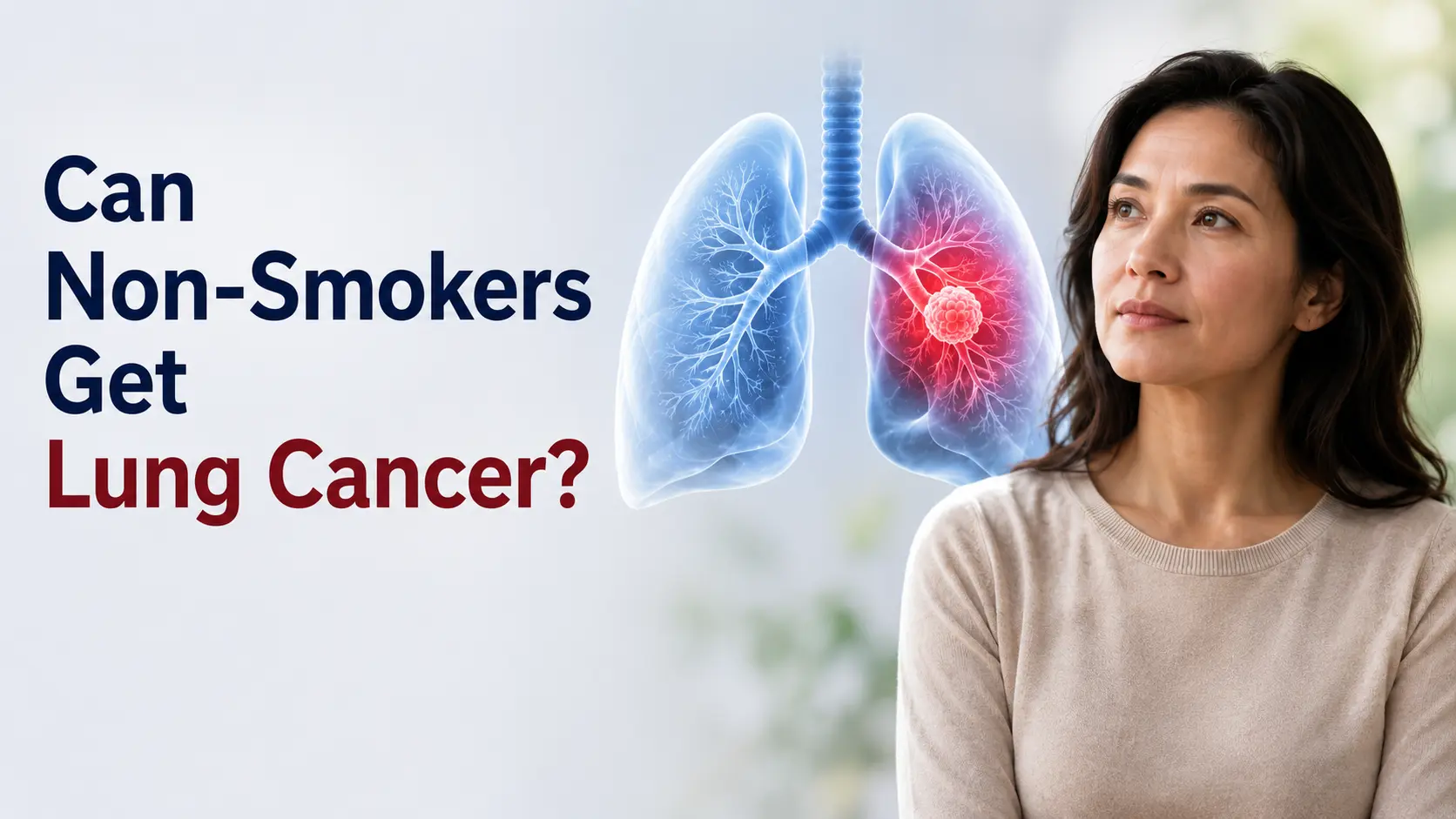
Lung cancer has long worn the face of a smoker. But today, oncologists and researchers around the world are witnessing a sharp and steady rise in lung cancer diagnoses among people who have never lit a single cigarette. If you have never smoked, you may believe your lungs are safe. That belief, however comforting, could cost you your life.
Consulting a cancer specialist in Gurugram, such as Dr. Pooja Gupta, has become increasingly important even for non-smokers experiencing persistent respiratory symptoms — because early detection remains the single most powerful tool against this disease.
So, can non-smokers get lung cancer? Yes. Absolutely. And here is everything you need to know.
The statistics are striking.
These are not minor footnotes. They are a public health reality that demands your attention.
Smoking damages DNA directly and repeatedly over decades. But the lungs of a non-smoker are not immune to damage — they are simply exposed to different kinds of harm.
Here are the key risk factors that can cause lung cancer in people who have never smoked:
You do not have to smoke to inhale the damage.
Living with or working near a smoker exposes your lungs to the same carcinogens that active smokers breathe in. Non-smokers who live with a smoker face a 25% to 30% higher risk of developing lung cancer compared to those in smoke-free environments.
Thirdhand smoke — the residue left on furniture, clothing, and walls — also poses a risk, especially for children in smoking households.
This one surprises most people.
Radon is a colourless, odourless, radioactive gas that forms naturally when uranium in soil and rock breaks down. It seeps into buildings through cracks in foundations, basements, and poorly ventilated spaces. You cannot see it. You cannot smell it. But it is the second leading cause of lung cancer overall and the leading environmental cause of lung cancer in non-smokers.
Testing your home or workplace for radon is simple and inexpensive — and potentially life-saving.
People living in cities or industrial zones breathe in tiny particles from vehicle exhaust, factory emissions, and construction dust every single day.
Over years, this chronic exposure causes DNA damage in lung cells, gradually increasing cancer risk. Research increasingly links long-term air pollution exposure to lung cancer in non-smokers, particularly in densely populated urban areas across South Asia.
Certain professions carry hidden lung cancer risks:
Even indirect exposure — such as living with someone who works in these environments — can carry some risk.
This is a risk factor that is particularly relevant in South Asian households.
In kitchens where high-heat cooking methods are used over long periods — especially with open flames or in poorly ventilated spaces — cooking fumes can contain harmful compounds. Research shows this is a significant contributor to lung cancer in non-smoking women in developing countries, where women spend hours daily cooking in enclosed environments.
Some people are genetically predisposed to lung cancer, regardless of lifestyle choices.
If a parent, sibling, or close blood relative has had lung cancer — especially if they were also a non-smoker — your risk increases meaningfully. Specific inherited gene changes in genes like EGFR, ALK, ROS1, BRAF, and RET have been found in high proportions of non-smokers diagnosed with lung cancer.
Interestingly, these mutations also respond well to targeted therapies — making genetic testing an important part of modern lung cancer treatment.
Conditions like COPD, pulmonary fibrosis, tuberculosis (TB), and chronic bronchitis can create an inflammatory environment in the lungs that increases cancer risk over time. TB, in particular, remains a significant consideration in the Indian context.
Emerging research has linked certain viruses — including Human Papillomavirus (HPV) and Epstein-Barr virus (EBV) — to a subset of lung cancer cases in non-smokers, though this area is still under active investigation.
Lung cancer is not a single disease. And the kind that develops in a non-smoker is biologically distinct from the kind caused by tobacco.
Here is what makes it different:
Type of cancer: Non-smokers are most likely to develop adenocarcinoma, a form of non-small cell lung cancer (NSCLC) that develops in the outer areas of the lungs. It tends to grow more slowly than other types, but it is often caught late because symptoms are subtle.
Location in the lung: Tobacco-related cancers often form near the central airways, making them more likely to cause early symptoms like a persistent cough. Adenocarcinoma in non-smokers develops at the periphery — silently, with few early signals.
Genetic profile: Non-smoker tumours are far more likely to carry targetable mutations (EGFR, ALK, ROS1). This is actually good news — because these mutations respond to specific, often oral, targeted therapies with significantly better outcomes than traditional chemotherapy.
Because non-smoker lung cancer grows more quietly, symptoms are often dismissed or mistaken for minor ailments. Do not make that mistake.
Watch for these signs, especially if they last more than 2 to 3 weeks:
None of these symptoms alone confirms lung cancer. But any combination persisting over weeks deserves a medical evaluation — no exceptions.
If lung cancer is suspected, your doctor may recommend:
Current screening guidelines primarily target heavy smokers aged 50–80. However, non-smokers with genetic risk factors, significant environmental exposure, or a strong family history should speak with their oncologist about whether screening is appropriate for them.
Because non-smoker lung cancer often carries specific genetic mutations, the treatment approach is frequently different — and in many ways, more targeted.
Targeted therapy is often the first-line approach. Drugs that specifically target EGFR, ALK, or ROS1 mutations have transformed outcomes for non-smokers with lung cancer, often allowing patients to manage the disease with oral medication and fewer side effects than chemotherapy.
Immunotherapy has also shown strong results in some patients, by helping the immune system recognise and attack cancer cells.
Chemotherapy and radiation remain important options, depending on the stage and specific characteristics of the cancer.
Surgery — for early-stage tumours confined to one area — can be curative. Non-smokers typically tolerate surgery better because their lung function is generally stronger.
The most important message: the earlier the diagnosis, the more treatment options are available, and the better the outcome.
While you cannot eliminate all risk, these steps can meaningfully lower it:
The stigma surrounding lung cancer — that it only happens to smokers — has caused real harm. It delays diagnoses, dismisses symptoms, and leaves thousands of people feeling blindsided by a disease they never believed they were at risk for.
Non-smokers deserve awareness, early screening conversations, and access to the same expert care.
If you are experiencing any persistent respiratory symptoms, or if lung cancer runs in your family, do not wait. Seek an expert evaluation. Early-stage lung cancer is treatable. Late-stage lung cancer is not forgiving.
Your lungs have been protecting you your whole life. It is time to protect them back.
