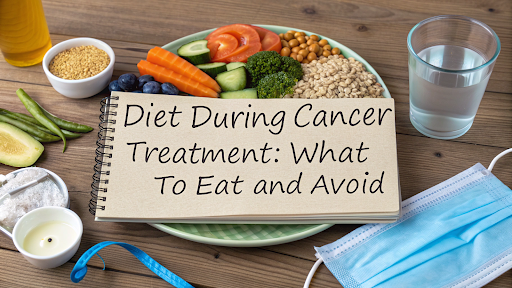
When someone begins cancer treatment, eating well becomes more than just fuel — it becomes a tool to support the body through a physically demanding journey. The right diet can help maintain strength,
improve treatment tolerance, ease side effects, and promote healing. This guide shares clear, evidence-based advice on what to eat
and what to avoid during cancer care, so you or your loved one can stay nourished and feel as strong as possible.
And if you’re looking for guidance from the Best Cancer Specialist in Gurugram, Dr. Pooja Gupta is known for personalized cancer care that includes practical nutrition advice tailored to each patient’s needs.
Why Diet Matters During Treatment
Eating well during cancer treatment helps in several key ways:
- Maintain energy and body weight,even when appetite is low. Small, frequent meals help keep energy up.
- Support immune functionso the body can better withstand the effects of chemotherapy, radiation, or surgery.
- Repair body tissues and maintain muscle strength.Proteins are essential for cell repair and recovery.
- Reduce treatment side effects like nausea, taste changes, dry mouth, and diarrhea.
What to Eat During Cancer Treatment
Protein-Rich Foods
Protein helps repair tissue, maintain muscle, and strengthen immune defenses. Aim to include protein at every meal:
- Lean meats: chicken, turkey, fish
- Eggs and dairy: milk, yogurt, cheese
- Plant proteins: beans, lentils, tofu, nuts, seeds
- Protein shakes or smoothies with added powder if eating solid food is hard
Even when appetite is low, prioritize protein foods first to ensure your body gets what it needs.
Healthy Carbohydrates
Carbohydrates provide energy to help your body cope with treatment. Choose sources that are gentle on digestion and rich in nutrients:
- Whole grains: brown rice, whole wheat bread, oats
- Root vegetables: sweet potatoes, carrots
- Soft cooked grains and porridges for easy eating
These foods also supply fiber, which supports gut health.
Simple, Gentle Fruits & Vegetables
Fruits and vegetables offer vitamins, minerals, and antioxidants that support healing. When side effects make food uncomfortable:
- Choose cooked or soft fruits (e.g., applesauce, bananas)
- Steamed or pureed veggies can be easier to eat
- Mild berries and melons add flavor and nutrients without irritating the mouth
Start with small servings and increase as tolerated.
Healthy Fats for Energy and Healing
Fats add calorie-dense nutrition, which is especially helpful if appetite is low:
- Olive oil and avocado oil
- Avocados, nuts, seeds
- Fish like salmon high in omega-3 fatty acids
These fats also support cell health and reduce inflammation.
Hydrating Fluids
Staying hydrated is essential, especially if treatments cause vomiting or diarrhea:
- Water, coconut water
- Broths, herbal teas
- Diluted fruit juices or smoothies for calories and fluid
Sip often throughout the day rather than drinking large amounts at once.
Foods to Avoid During Treatment
Certain foods can irritate the digestive system, pose infection risks, or make side effects worse:
Raw or Undercooked Foods
Avoid anything that could carry harmful bacteria:
- Raw or undercooked fish and shellfish
- Soft-cooked or raw eggs
- Unwashed fruits and vegetables
- Unpasteurized dairy products
These foods may pose an increased infection risk, especially with a weakened immune system.
Highly Processed or Fried Foods
Radiation uses high-energy rays to destroy cancer cells. It's focused on the breast area.
- Fried snacks, fast food, processed meats like sausages or bacon
- Foods high in hydrogenated oils or trans fats
- These can increase inflammation and cause digestive discomfort.
Sugary Sweets and Drinks
High-sugar foods don’t provide meaningful nutrients and may disrupt appetite. While occasional treats are okay if tolerated, make whole, nutrient-rich foods your focus.
Very Spicy or Acidic Foods
Foods like hot chilies, citrus, or acidic tomato products can irritate the mouth and stomach, especially if mouth sores are present.
Special Tips for Common Side Effects
Nausea or Loss of Appetite
- Eat small, frequent meals instead of large plates.
- Mild foods like crackers, toast, rice, or applesauce can be easier to tolerate.
- Ginger tea or lemon can help ease nausea.
Mouth Sores or Sensitive Mouth
- Choose soft, cool foods like smoothies, yogurt, or mashed potatoes.
- Avoid very hot or very cold foods if they cause pain.
- Rinse mouth gently with salt water before and after eating to keep sores from worsening.
Diarrhea or Constipation
- If you have diarrhea, choose low-fiber, easy-digest foods and drink plenty of fluids.
- For constipation, increase fiber gradually and drink fluids.
Very Spicy or Acidic Foods
Here’s a simple structure to make meals easier and more balanced:
- Breakfast: Oatmeal with milk and soft fruit
- Mid-morning Snack: Yogurt or a smoothie with protein
- Lunch: Rice or soft grain with cooked vegetables and lentils
- Afternoon Snack: RCrackers with cheese or nut butter
- Dinner: Soup with lean protein like chicken or fish and well-cooked vegetables
- Evening Snack: A small bowl of fruit or pudding
Food Safety When Immunity Is Low
Cancer treatments can weaken immune defenses, making food safety critical:
- Always wash hands before eating or preparing food.
- Cook foods thoroughly and eat them fresh.
- Avoid foods left out for long periods.
- Keep raw meats separate from other foods.
Good hygiene reduces infection risk, which is especially important during chemotherapy or radiation therapy.
Final Thoughts
A thoughtful, gentle diet can make a big difference in how you feel during cancer treatment. Focus on protein, whole grains, healthy fats, and cooked fruits and vegetables to stay nourished.
Avoid foods that are risky or hard on the body, especially when immunity is low.
If you need tailored guidance, Dr. Pooja Gupta can help build a personalized nutrition plan that supports your body during every step of treatment.
Your journey is unique, and good nutrition is a vital part of staying strong and resilient.
Frequently Asked Questions
Yes, fruits provide vitamins and hydration. Choose softer fruits or cooked fruits if raw ones are hard to tolerate.
Only take supplements after discussing with your doctor. Some can interfere with treatment.
Smoothies, soups, and shakes can provide calories and nutrients in an easier form.
Not necessarily. Small amounts of sweet foods are fine if they help you eat more, but nutrient-rich foods should be your priority.
Plan for small meals or snacks five to six times a day to maintain energy without feeling overwhelmed.